How to organize a small kitchen without adding more clutter
The fastest way to make a small kitchen easier to use is not to add more containers. Start by clearing one work zone, group the items used for the same task, and give each group a measured space. A rack, drawer organizer, or sink caddy should solve a specific overflow problem rather than create another surface to maintain.
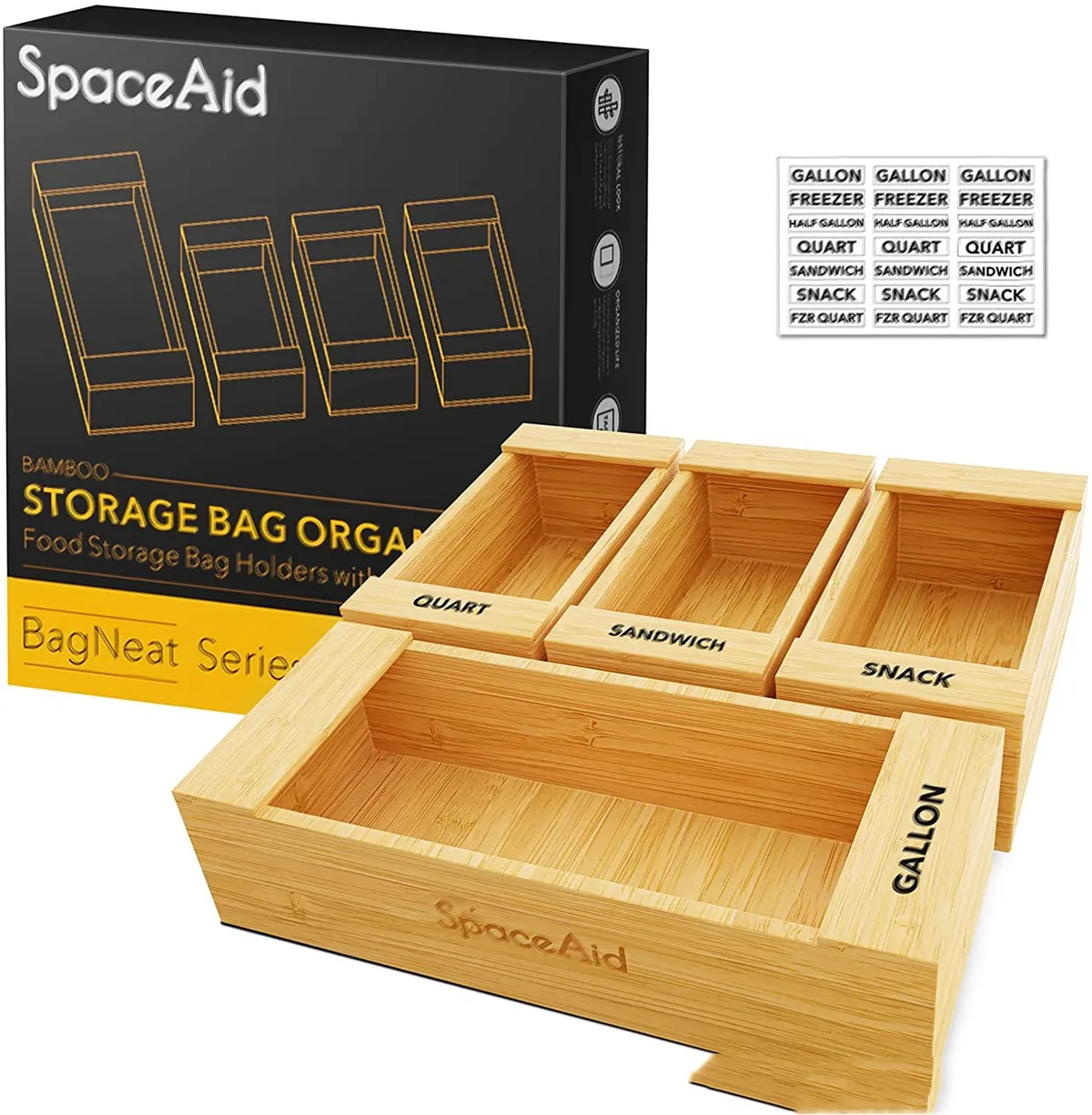
Start with the work zone that slows you down
Choose one repeated task such as preparing food, washing dishes, or packing leftovers. Keep only the items needed for that task within reach. Move duplicates, backups, and rarely used tools away from the counter before deciding whether any new organizer is necessary.
Measure before choosing a rack or organizer
Measure width, depth, and usable height, including the space needed to open a drawer or cabinet. List the items that must fit and check whether they can be removed and cleaned easily. Product photos alone cannot confirm fit, so compare the visible product specifications with your measurements before checkout.
Match the organizer to the type of clutter
A drawer organizer is relevant when small tools slide together. A kitchen rack is relevant when frequently used items compete for counter space. A sink caddy or drain rack is relevant when wet cleaning tools have no defined place. These products address different zones and should not be treated as interchangeable.
When storage products are not the answer
Do not buy an organizer when the main issue is duplicate items, expired supplies, or a layout that blocks the work surface. Reduce the contents first. Renters should also avoid an installation method that conflicts with the lease or could damage a surface.
What to check before buying
FAQ
Should I organize the whole kitchen at once?
No. Start with one work zone and test whether the new arrangement stays easy to use for several days before changing another area.
How do I know whether an organizer will fit?
Measure the available width, depth, height, and clearance, then compare those measurements with the current specifications on the product page.
Is a no-drill option always safe for a rental?
Not automatically. Check the installation method, surface requirements, removal instructions, and your lease before attaching anything to a wall or cabinet.